Designing Services That Bring Your Brand to Life
A successful website needs more than an attractive appearance. It needs a thoughtful design, intuitive user experience and reliable technology working together to support your business goals. Whether you need a new website, want to improve an existing digital experience or are building an online store, the right combination of design and development can make a significant difference.
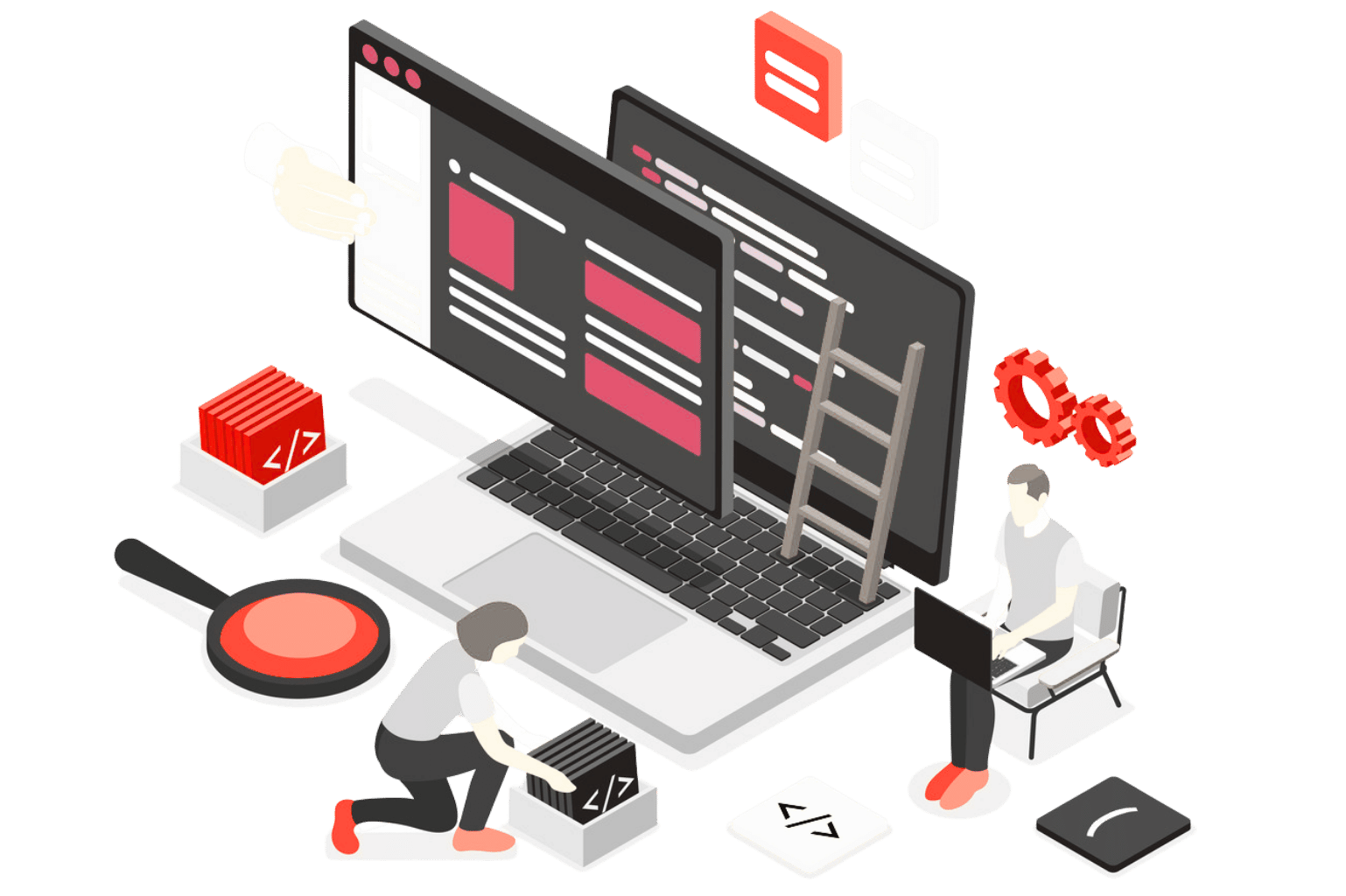
Creating Digital Experiences That Work for Your Business
At Kaze Digital, we provide design services focused on creating engaging visual experiences that connect your brand with its audience. From understanding your requirements and developing initial concepts to refining the final design, we consider how every visual element contributes to the overall experience.
Our design services include UI/UX design, graphic design and website design, giving businesses the flexibility to create a consistent and professional digital presence across different platforms and touchpoints.
Whether you are launching a new brand, improving an existing website or looking for creative assets for your marketing campaigns, our design approach is built around your audience, objectives and brand identity.
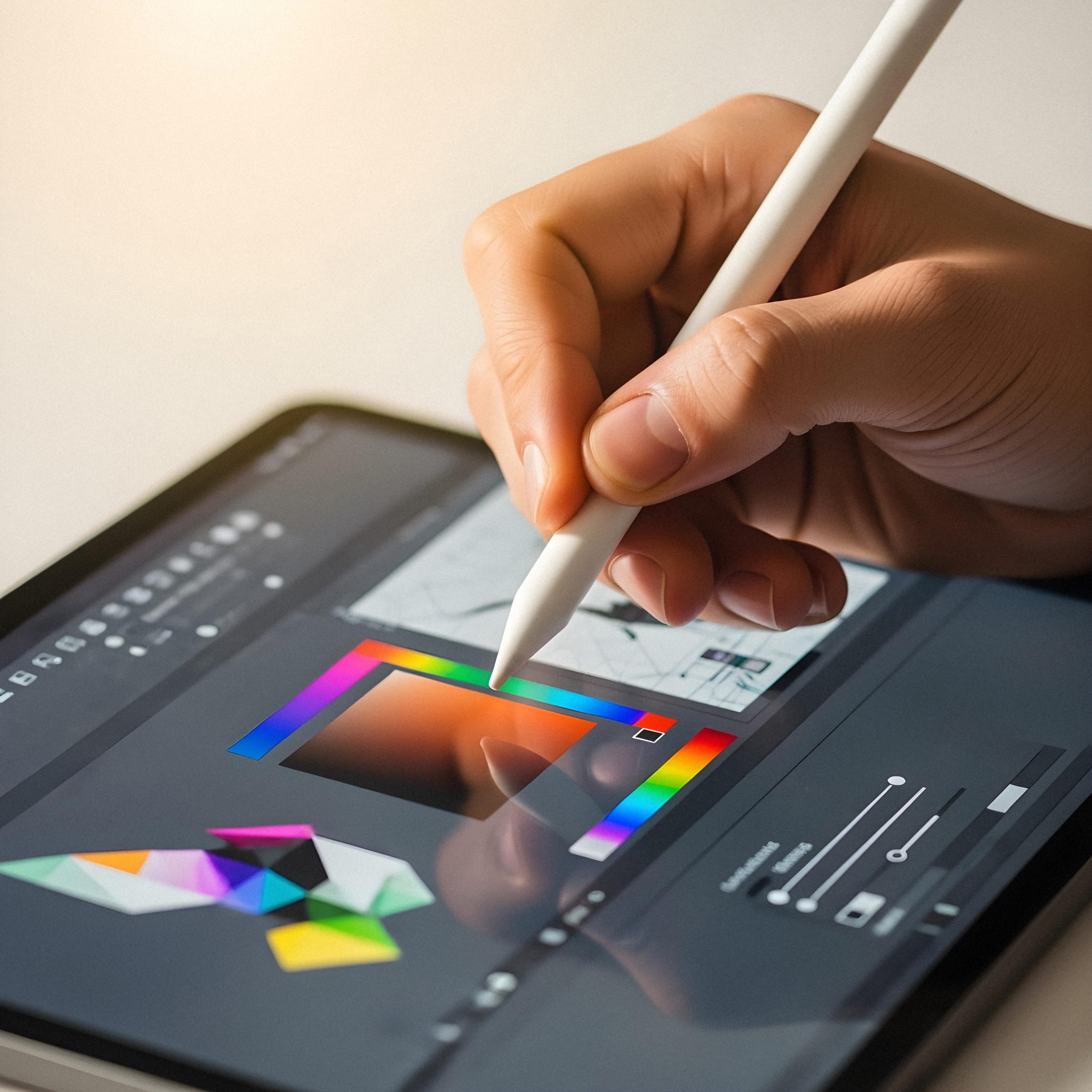
Our Design and Development Services
Every business has different design requirements. Some may need a complete website experience, while others may require a stronger visual identity or a more intuitive interface for their digital products.

UI/UX Design
Good UI/UX design makes digital experiences easier and more enjoyable to use. We design interfaces that balance visual appeal with usability, helping users navigate digital products and websites with greater clarity.

Graphic Design
Strong visual communication can help your business stand out and create a recognisable identity. Our graphic design services help businesses communicate ideas through carefully considered layouts & visual elements.

Website Design
Your website is often one of the first places potential customers interact with your brand. A professional website design should therefore do more than look modern.
Design and Development Technologies We Work With






WWhat Makes Great Design?
Great design is not simply about aesthetics. It should communicate clearly, feel consistent and make it easier for people to understand and interact with your brand.
Clear Visual Communication
Every design element should have a purpose. Clear layouts, typography and visual elements help communicate your message without overwhelming the audience.
Consistent Brand Identity
Colours, fonts, imagery, icons and other visual elements should work together to create a recognisable brand experience across your website, marketing materials and digital platforms.
Strong Visual Hierarchy
A well-planned hierarchy helps users understand what matters most. The use of spacing, typography, size, positioning and contrast can guide attention towards important information and actions.
User-Friendly Experiences
Design should make interactions feel natural. Whether someone is browsing a website or using a digital interface, clear navigation and intuitive interactions can make the overall experience easier and more enjoyable.
Responsive Design
Digital experiences need to work across different screen sizes. Responsive design helps ensure that layouts and visual elements remain effective across desktops, tablets and mobile devices.
Purpose-Driven Creativity
Creative design should support a specific objective. Whether the goal is to generate leads, communicate a message, strengthen a brand or improve usability, design decisions should contribute to the intended outcome.
Attention to Detail
Small details can have a major impact on the final experience. Consistent spacing, alignment, typography, imagery and visual elements help create a more polished and professional result.
UI/UX vs Website Design: What’s the Difference?
Although UI/UX design, graphic design and website design can overlap, each serves a different purpose.
UI/UX Design
- User experience and digital interfaces
- Make digital experiences intuitive and easy to use
- User journeys, wireframes, interfaces and prototypes
- Wireframes, prototypes, UI screens and design systems
- A clear and user-friendly digital experience
Website Design
- Website appearance and user journey
- Create an engaging and effective website experience
- Page layouts, navigation, visual hierarchy and responsive design
- Website pages, landing pages and responsive layouts
- A visually engaging website design
When to Choose the RightDesigning Service
Choose UI/UX design when: You are creating or improving a digital product, application, website interface or customer journey and want to make the experience more intuitive and user-friendly.
Choose graphic design when: You need visual assets for
marketing, branding, social media, campaigns, presentations or other communication requirements.
Choose website design when: You need a new website, landing page or redesigned digital presence that communicates your brand and provides a clear experience for visitors.
Choose a combined approach when: You want to build a stronger and more consistent digital presence across your website, user interfaces and marketing materials. Combining different design services can help maintain visual consistency across customer touchpoints.

Ready to Create Better Designs?
Let's create designs that make your brand easier to recognise, your message easier to understand and your digital experiences easier to use.
Why Choose Kaze Digital for Designing Services?

Business-focused design
We consider your business objectives, audience and requirements when developing the creative direction for your project.

User-centred thinking
We design experiences with the people using them in mind, focusing on clarity, usability and intuitive interactions.

Creative expertise
Our approach combines creativity with practical design thinking to create visuals that are engaging without losing their purpose.

Consistent visual experiences
We consider how your designs will work across different platforms and touchpoints to help maintain a cohesive brand presence.

Flexible solutions
Every business has different requirements, so we adapt our design approach according to the scope, audience and objectives of each project.

Attention to detail
From typography and spacing to alignment and visual consistency, we pay attention to the details that contribute to a polished final design.
What to Consider Before Starting a Design Project

Define Your Goals
Know what you want the design to achieve. Whether the goal is improving usability, generating leads, strengthening your brand or communicating a marketing message, having a clear objective gives the design process direction.

Understand Your Audience
Consider who will see or use the design and what they expect from your brand. Understanding your audience can help create experiences and visuals that feel relevant and easy to engage with.

Establish Your Brand Direction
Identify your preferred colours, typography, visual style and existing brand guidelines. If you do not have an established identity, the design process can help create a more consistent visual direction.

Prepare Your Content
Provide the information, images, messaging and other assets required for the project. Having content ready can make it easier to create layouts that accurately reflect the final experience.

Consider Different Devices
For digital designs, consider how the experience will appear across desktop, tablet and mobile screens. Planning for different screen sizes helps create a more consistent user experience.
FAQ's
Frequently Asked Questions
UI design focuses primarily on the visual interface, including layouts, typography, colours, buttons and other interactive elements. UX design focuses on the overall experience and how users move through and interact with a digital product. The two disciplines work closely together to create effective digital experiences.
A redesign may be worth considering if your website looks outdated, is difficult to navigate, does not represent your current brand or provides a poor experience across mobile devices. Changes to your business, services or target audience can also be a reason to reconsider your existing design.
Yes. An existing website can often be redesigned without completely starting over. We can review the current visual experience, identify areas that need improvement and develop a refreshed design that better reflects your brand and business objectives.
Depending on the project, UI/UX design can include user journeys, wireframes, interface designs, prototypes, design systems and other visual components required to create a clear digital experience.
Graphic design requirements can vary depending on the business. Projects may include social media graphics, marketing creatives, promotional materials, presentations, digital assets and other branded visual content.
People access websites through a wide range of devices and screen sizes. Responsive design helps ensure that layouts, content and interactive elements remain usable and visually consistent across desktops, tablets and mobile devices.
The right choice depends on your budget, timeline, brand requirements and level of flexibility needed. Templates can provide a starting point for businesses with straightforward requirements, while custom design can provide greater control over the visual experience and user journey.
The timeline depends on the scope and complexity of the project. A simple graphic design requirement may take considerably less time than a complete website or UI/UX project involving research, wireframes, multiple screens, prototypes and revision cycles.
Once the design is finalised, the approved assets can be prepared for their intended use. Website and UI/UX designs can be handed over for development, while graphic assets can be prepared according to the required digital or print formats.
